

Office chair base guide: sizes, materials and how to choose
The base decides whether a chair feels stable, how long it lasts and how it looks from across the room. This guide covers the sizes, materials and fitting details a chair maker should fix before ordering.
What a 5-star base does
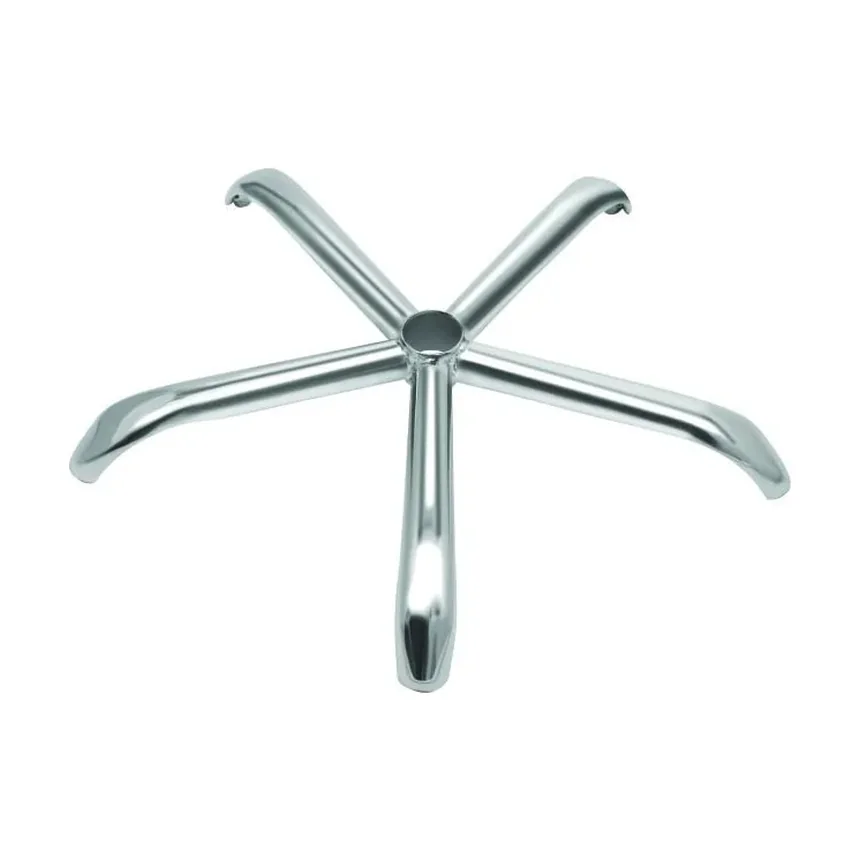
Almost every revolving office chair sits on a five-arm base. Five arms keep at least two castors behind the sitter's weight in any direction, which is why four-arm revolving bases have largely disappeared from office seating. The base carries the gas lift in a tapered centre hole and takes one castor at the end of each arm.
Base diameter: what size to pick
Diameter is measured across the castor circle. Typical ranges in the trade:
| Chair type | Typical base diameter |
|---|---|
| Task and staff chairs | 600–640 mm (about 24–25 in) |
| Executive and high-back chairs | 650–700 mm (about 26–28 in) |
| Heavy-duty and large-frame chairs | 700 mm and above |
A wider base is more stable when the user reclines, but it needs more floor space and tube. If the chair has a deep recline or a tall back, choose the larger size.
Steel, nylon or aluminium
- Steel (welded tube or pressed arms): strong, repairable, takes chrome or powder coat. The usual choice for chrome-finish chairs and for buyers who want a metal feel at a moderate price.
- Nylon (glass-filled): light and low cost, black as moulded. Common on budget task chairs.
- Die-cast aluminium: polished or painted, lighter than steel, higher price. Used on premium chairs.
Chrome or powder coat
Chrome gives a bright mirror finish and suits executive chairs. Powder coat gives colour, usually black, grey or white, hides scuffs better and costs less than a good chrome job. For a full comparison see our chrome plating vs powder coating guide.
Fit: gas lift and castors
Two fits must match the rest of your chair:
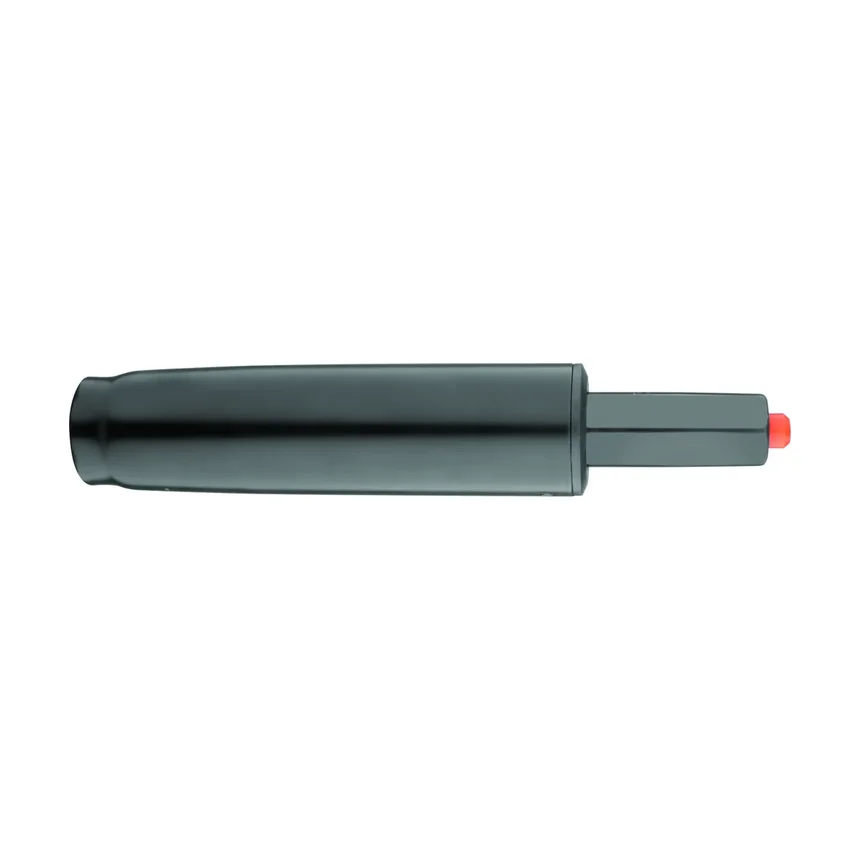
- Centre hole: a tapered hole that grips the gas-lift cylinder by friction. Send the gas-lift size or a sample cylinder so the taper matches.
- Castor socket: most office castors use a grip-ring stem of about 11 mm diameter. Confirm stem diameter and length before the base is tooled or drilled.
What to send when you ask for a quote
- Base diameter and number of arms.
- Finish: chrome, or powder-coat colour.
- Gas-lift and castor sizes, or samples.
- Any load or test standard your customer asks for.
- Quantity per month and packing needed.
Related products from UNICO
Have a requirement? Send a product code, photo or drawing and we reply within one business day.