

Office chair mechanisms explained
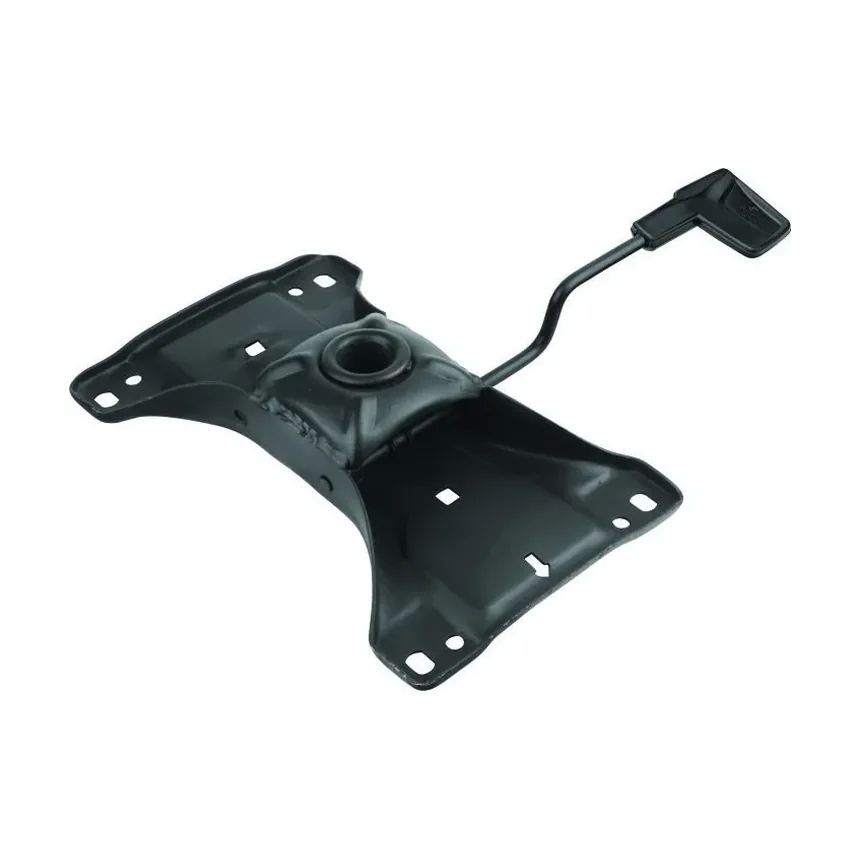
The mechanism is the steel assembly under the seat that joins the seat to the gas lift and controls how the chair tilts. It decides how the chair feels more than any other part.
The main types
| Type | What it does | Typical use |
|---|---|---|
| Seat plate (fixed) | Joins seat to gas lift or frame, no tilt | Visitor chairs, stools, cafe chairs |
| Lever plate | Height adjustment only, by a lever that opens the gas lift | Basic task chairs, lab stools |
| Push-back | Back reclines against a spring; seat stays level | Staff and computer chairs |
| Centre tilt | Seat and back tilt together around a pivot under the seat | Executive chairs |
| Synchro | Back and seat tilt at different rates, so the back reclines further than the seat | Ergonomic and mesh chairs |
| Multi-lock | A tilt or synchro mechanism that locks in several positions | Mid-range and premium chairs |
How to choose
- Hours of use: a chair used all day should have at least a push-back or synchro action.
- Price point: lever plates and push-backs are the lowest cost; synchro and multi-lock cost more.
- Back style: mesh-back chairs with a separate back frame usually pair with a synchro or push-back mechanism.
Mounting details to confirm
- Seat hole pattern: the bolt centres on the top plate must match your seat ply or shell. Send the pattern or a sample seat.
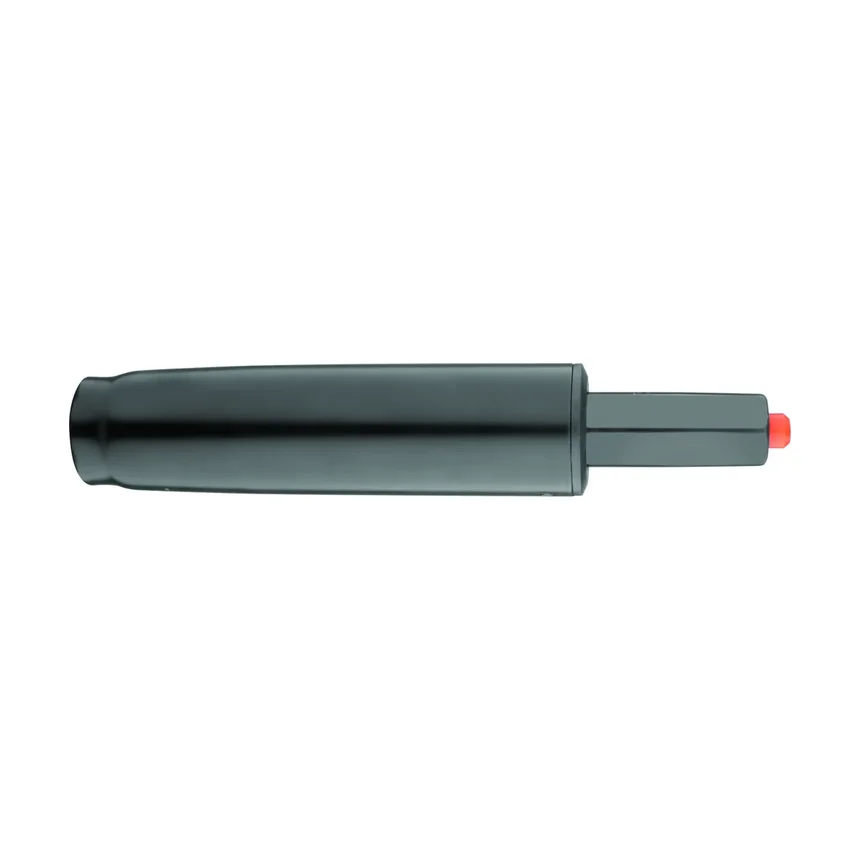
- Gas-lift taper: the mechanism's centre socket must match your gas lift.
- Back connection: flat bar (patta), tube or bracket, and its width and hole positions.
- Tension knob and lever positions, if your seat shell has cut-outs.
Seat plates and rotating plates
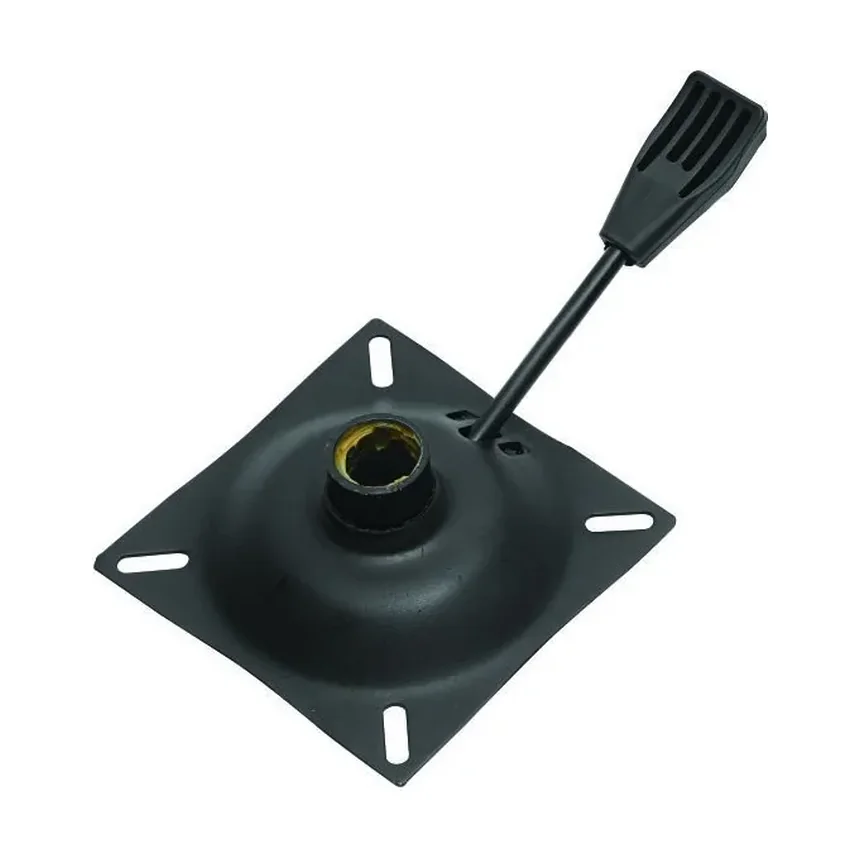
Where no tilt is needed, a pressed-steel seat plate or a rotating plate does the job at lower cost. They are specified by plate size, hole pattern and thickness.
Related products from UNICO
Have a requirement? Send a product code, photo or drawing and we reply within one business day.